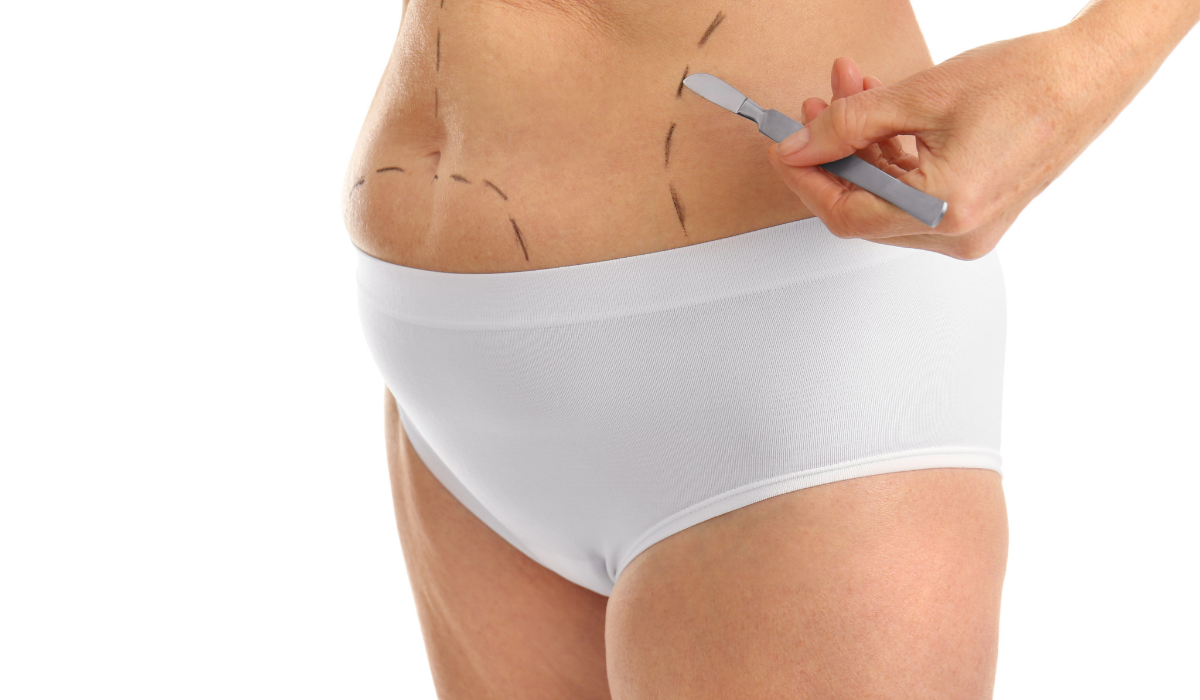
Recovery from surgery isn’t simply about having patience and following discharge instructions, it’s about taking charge, thoughtfully nurturing our bodies, and actively supporting every aspect of our healing process. When we look at recovery through a holistic lens, we focus on much more than wound care and prescription refills. We’re talking about a dynamic blend of targeted nutrition, movement, emotional resilience, and mind-body strategies that together help us reclaim our well-being with confidence.
Let’s navigate the exciting intersections where nutrition, physical rehabilitation, and mindful self-care unite to create an empowered recovery journey. Whether we’re preparing for an upcoming procedure or supporting someone in recovery, understanding these holistic strategies positions us to heal faster, feel better, and thrive.
Key Takeaways
- Holistic approaches to recovery after surgery integrate nutrition, movement, and mind-body strategies for comprehensive healing.
- A targeted nutrition plan, rich in protein, vitamins, and minerals, accelerates healing and reduces post-surgical complications.
- Personalizing your nutrition and rehabilitation after surgery maximizes recovery and addresses unique health needs.
- Mind-body practices like meditation and mindful breathing can ease pain, reduce anxiety, and support physical recovery.
- Regular collaboration with healthcare professionals ensures your post-surgery recovery remains coordinated and holistic.
- Overcoming challenges such as appetite loss or motivation requires adaptable strategies and support for optimal results.
Understanding Holistic Recovery After Surgery
Holistic recovery after surgery means treating the whole person, body, mind, and spirit, throughout the healing process. Rather than focusing solely on the physical site of surgery, we look at all aspects of well-being. That means taking into account our nutrition, physical activity, mental health, sleep quality, and social support systems.
This approach is rooted in the understanding that our bodies heal best when all systems are in sync. Pain management, immune function, energy levels, and even mood are interconnected. Science backs this up: studies show that patients who use a comprehensive recovery plan, addressing both physical and psychological needs, experience better outcomes, fewer complications, and smoother transitions back to activities of daily life.
Embracing holistic recovery isn’t simply about feeling good. It’s about maximizing our ability to recover efficiently, reduce risk of setbacks, and foster long-term health.

The Role of Nutrition in Post-Surgical Healing
Nutrition plays a pivotal role in how quickly and thoroughly we bounce back from surgery. Every cell involved in wound repair needs the right building blocks to rebuild and restore tissue. Without adequate nutrients, the process slows, and complications can arise, think delayed healing, weakness, or increased risk of infection.
In the first days and weeks after surgery, our bodies are in a state of increased demand. Proteins, vitamins, minerals, and fluids become even more critical. For example, protein supports new tissue formation, while vitamin C and zinc boost immune defense and promote collagen synthesis.
It’s easy to underestimate the need for a thoughtful nutrition plan, especially when appetite or digestion might be off post-surgery. But, tailoring our dietary choices to the specific needs of healing can dramatically accelerate recovery and improve our sense of vitality.
Key Nutrients for Optimal Recovery
Let’s dig into the nutrients with the most impact on surgical recovery:
- Protein: Perhaps the single most important macronutrient, as it’s essential for the repair and regeneration of tissues. Lean meats, eggs, dairy, legumes, and plant-based options all support protein needs.
- Vitamin C: Not only does it ramp up immune function, but it’s also vital for proper wound healing and collagen formation. Citrus fruits, berries, peppers, and greens are all rich sources.
- Zinc: Key for immune response and tissue repair. We find zinc in meat, seafood, nuts, and seeds.
- Vitamin A: Important for cell growth and the maintenance of mucous membranes and skin. Carrots, sweet potatoes, and leafy greens are excellent sources.
- B Vitamins: These are essential for energy production and red blood cell formation. Whole grains, eggs, lean meats, and beans are great options.
- Omega-3 Fatty Acids: Found in oily fish, flaxseed, and walnuts, these healthy fats help to tame inflammation, which, in moderation, aids the healing process.
- Iron: With increased blood loss, iron supports the production of new blood cells and prevents post-surgical anemia. Red meats, beans, spinach, and fortified cereals can all help.
Hydration is crucial too, as fluids support circulation, nutrient delivery, and overall cellular function.
No one-size-fits-all list can cover every scenario. Our precise needs will depend on the type of surgery, the presence of underlying health conditions, and individual healing responses.
Personalizing Your Post-Surgery Nutrition Plan
Because every surgery is different, creating an effective nutrition plan means assessing our unique requirements. We might need to factor in staples like calorie needs, protein intake, and changes in digestive tolerance after surgery.
Tailoring Nutrition by Surgery Type
- Digestive surgeries: Recovery often requires temporary dietary restrictions, sometimes soft or liquid foods are best, or certain fibers are limited.
- Orthopedic surgeries: Focus on nutrients for bone and connective tissue repair, calcium, vitamin D, and magnesium play a starring role here.
- Cardiac or vascular procedures: A heart-healthy approach low in saturated fats and sodium but rich in antioxidants supports optimal healing.
Listening to Our Bodies
It’s crucial to stay attuned to shifting hunger cues, digestive changes, and personal food preferences. If swallowing or appetite is challenging, small, protein-rich snacks spread over the day can prevent malnutrition.
Professional Guidance
Meeting with a registered dietitian can be game-changing. Dietitians can personalize a meal plan that considers allergies, intolerances, medications, and any complications from the procedure. Together, we can adjust our nutritional approach as our healing advances.
Integrating Physical Activity and Rehabilitation
While rest is a foundational element in recovery, movement is just as essential when done safely. Physical activity, guided by our healthcare team, can help prevent muscle wasting, stimulate circulation, deter blood clots, and improve mood.
Post-Surgery Movement Guidelines
- Start Slow: Early mobilization may mean simply walking a few steps or performing ankle pumps, but it sparks important healing processes.
- Progress Gradually: Depending on the surgery, physical or occupational therapy might become part of our daily routine. Structured rehab exercises build strength, range of motion, and confidence.
- Monitor Signs: Swelling, pain, or unusual fatigue should never be ignored. Collaboration with professional therapists is key.
By integrating gentle activity and adhering to personalized rehab programs, we maintain momentum in our recovery and often speed up the return to our normal activities.
The Impact of Mind-Body Practices on Healing
Our physical healing is deeply affected by our mental and emotional states. Mind-body practices such as meditation, guided imagery, gentle yoga, and deep breathing exercises have been shown to reduce surgical pain, ease anxiety, and promote overall well-being.
Practical Mind-Body Strategies
- Mindful Breathing: Even five minutes of focused breathing can lower anxiety, helping us manage discomfort and sleep better.
- Meditation or Guided Imagery: These techniques offer a sense of control and calm during the uncertainty of recovery, supporting relaxation and restorative sleep.
- Gentle Yoga or Stretching: With clearance from our physicians, gentle movement can help reduce stiffness, improve circulation, and boost our spirits.
Research repeatedly demonstrates that harnessing the power of our minds doesn’t just feel good, it can deliver real physiological benefits that enhance healing.
Managing Stress and Emotional Well-Being During Recovery
Surgery can bring an emotional rollercoaster, even for the most prepared among us. Uncertainty, frustration, and even sadness are common companions during recovery. But our attitude, expectations, and access to support have tangible impacts on outcomes.
Key Strategies for Resilience
- Stay Connected: Reach out to friends, family, and support groups. Social contact can buffer feelings of isolation and promote optimism.
- Acknowledge Setbacks: Not every day will be linear. Allowing ourselves to feel frustrated, without judgment, can paradoxically lead to greater acceptance and quicker rebounds.
- Establish Routine: Creating a daily structure, including meals, medications, movement, and restful breaks, helps us regain a sense of control.
- Professional Support: Counselors or psychologists specializing in health-related concerns can equip us with coping tools, especially if stress, sleep, or mood challenges become overwhelming.
Tending to our emotional health alongside our physical healing isn’t a luxury: it’s an essential part of the recovery equation.
Collaboration With Healthcare Professionals
A truly holistic recovery thrives on teamwork. Our surgeons, nurses, physical therapists, nutritionists, and mental health providers each offer specialized insight. Open, honest communication with our healthcare professionals is the bedrock of coordinated care.
Maximizing the Partnership
- Prepare Questions: Before check-ups, jot down symptoms, medication reactions, or concerns. No question is too small.
- Share Updates: Tracking our food intake, activity, pain levels, and mood can help our team make tailored recommendations.
- Advocate for Whole-Person Care: If nutrition, emotional well-being, or alternative therapies haven’t been discussed, don’t hesitate to bring them up.
When we cultivate an ongoing dialogue, we ensure that every member of the team is informed and invested in supporting our best possible outcome.
Common Challenges and How to Overcome Them
Even with the best-laid plans, hurdles can arise during recovery. Let’s acknowledge a few of the most frequent obstacles and how a holistic mindset can help us clear them:
- Loss of Appetite or Nausea: Small, nutrient-dense snacks, chilled drinks, or subtle flavors can help. Sipping ginger or peppermint tea may ease queasiness.
- Pain and Fatigue: Schedule rest intervals, but incorporate brief movement as tolerated. Mind-body techniques often help manage discomfort naturally.
- Low Motivation: Set realistic, incremental goals. Celebrate small wins, like walking an extra hallway or eating a balanced meal.
- Isolation: If in-person visitors aren’t possible, schedule regular phone calls or video chats. Sometimes, joining an online recovery community sparks connection.
- Plateaus in Progress: Healing isn’t linear. If progress stalls, reach out to healthcare providers for troubleshooting and support.
Adaptability, patience, and a sense of perspective will carry us through setbacks so we can continue to move forward.
Conclusion
Navigating surgery and recovery is one of the most vulnerable and transformative health journeys any of us can experience. By embracing a holistic approach, nourishing our bodies with purposeful nutrition, honoring our need for movement, tending to our minds, and working alongside our healthcare teams, we don’t just recover, we build resilience that lasts far beyond the final follow-up appointment.
If we approach our recovery as a whole-person process, the possibilities for healing, growth, and renewed energy become truly remarkable. Let’s commit to taking those empowering next steps together.
Frequently Asked Questions About Holistic Post-Surgical Recovery
What does a holistic approach to recovery after surgery involve?
A holistic approach to post-surgical recovery focuses on the whole person—body, mind, and spirit. It emphasizes nutrition, physical activity, emotional well-being, sleep quality, and social support to promote optimal healing and long-term health.
Which nutrients are most important for recovery after surgery?
Key nutrients for surgical recovery include protein, vitamin C, zinc, vitamin A, B vitamins, omega-3 fatty acids, and iron. These support tissue repair, immune function, energy production, and overall healing. Hydration is also crucial for recovery.
How can physical activity aid in the holistic recovery process?
Physical activity, when guided by healthcare professionals, enhances circulation, prevents muscle loss, boosts mood, and speeds the return to everyday activities. Early, gentle movement and structured rehabilitation help ensure a smoother, safer recovery.
Can mind-body practices improve post-surgery recovery?
Yes, mind-body practices like meditation, deep breathing, and gentle yoga can reduce pain, decrease anxiety, promote better sleep, and positively impact physical healing. These strategies support both emotional and physiological aspects of recovery.
How do I personalize my nutrition after surgery?
Personalizing your nutrition plan means considering the type of surgery, individual dietary needs, and any medical conditions. Consulting a registered dietitian can help tailor a meal plan that supports optimal healing and adapts as your recovery progresses.
When should I seek professional support during my holistic recovery?
Seek support if you experience ongoing pain, emotional distress, poor appetite, difficulties with movement, or lack of progress. Collaboration with surgeons, dietitians, therapists, and counselors ensures all aspects of your recovery are addressed.