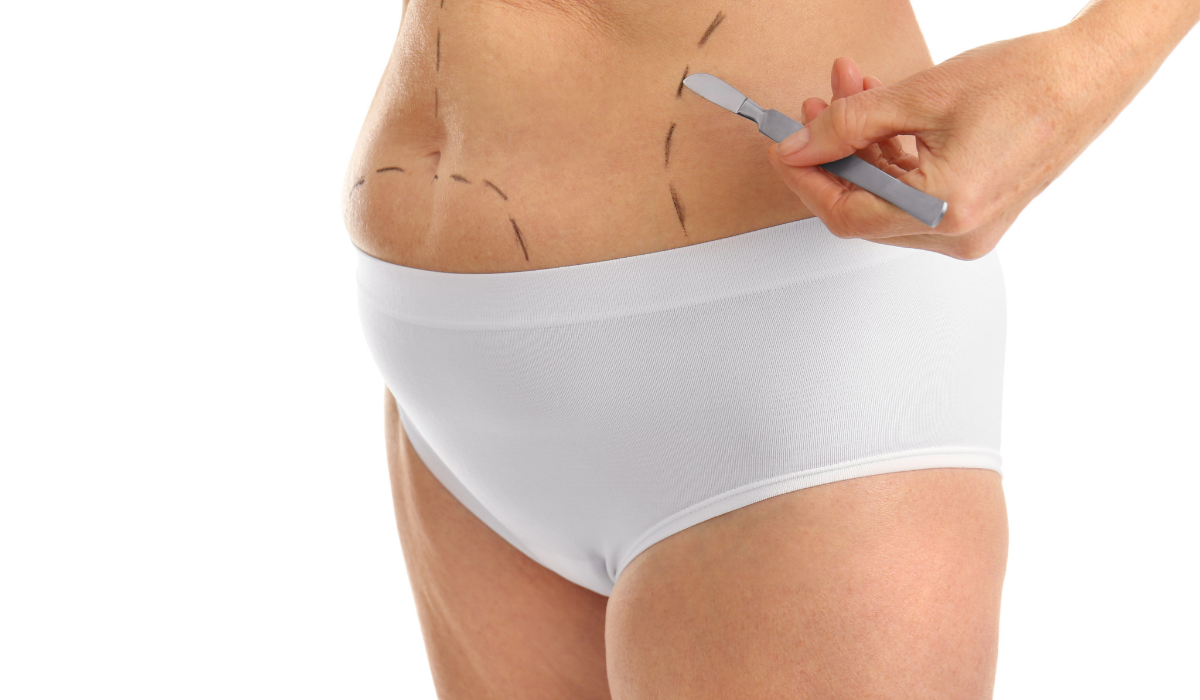
Liposuction can be a transformative procedure, helping us achieve the contours we’ve always wanted. But like any surgery, it comes with a recovery period that requires patience and care. Understanding what to expect during this time is key to ensuring the best results and a smooth healing process.
Key Takeaways
- Liposuction recovery typically spans several phases, from the initial healing in the first few days to complete recovery within 3–6 months.
- Factors influencing recovery time include the type of liposuction procedure, size of the treated area, and individual health conditions like age or pre-existing issues.
- Compression garments, hydration, a balanced diet, and light activity aid in reducing swelling and improving healing outcomes.
- Final results usually become noticeable within 3–6 months, with healthy lifestyle habits playing a key role in maintaining the achieved contours.
- Patients should follow medical advice closely and attend all follow-up appointments to monitor recovery and address any potential complications.
- Consult your surgeon immediately if severe pain, prolonged swelling, or signs of infection develop during recovery.
Many of us wonder how long it’ll take to get back to our routines after liposuction. Recovery isn’t the same for everyone, as factors like the area treated and individual healing rates play a role. By knowing the general timeline and tips for recovery, we can feel more prepared and confident about the journey ahead.
Understanding Liposuction Recovery
Recovery after liposuction involves several stages, each with its own timeframe and expectations. The process generally begins immediately following surgery and progresses over weeks or months, depending on the procedure’s extent and individual factors.
Initial Recovery Phase (First Few Days)
Patients typically experience swelling, bruising, and mild discomfort during the first 2–3 days. Compression garments are often provided to reduce swelling and support the treated areas. It’s common to notice fluid drainage from the incision sites during this period, which is a normal part of the healing process.
Subacute Recovery Phase (Weeks 1–2)
By the end of the first week, swelling starts to decrease, though bruising may still persist in some areas. Many individuals resume light activities, such as walking, after 3–5 days, but strenuous activities are avoided for at least 2 weeks. Drinking plenty of water and maintaining a balanced diet aids in recovery.
Long-Term Recovery Phase (Weeks 3 and Beyond)
Most swelling and bruising resolve by weeks 3–6, revealing more defined results. At this point, patients often return to their regular routines, including exercise. Complete healing and final results can take 3–6 months, varying based on factors like treatment area size and adherence to post-operative care guidelines.
Understanding each recovery phase helps set realistic expectations and ensure proper self-care, maximizing the overall outcome.

Typical Recovery Timeline
Liposuction recovery involves distinct stages, each contributing to the overall healing process. We outline these phases to provide clear expectations and actionable insights.
Immediate Post-Surgery Period
During the first 24–48 hours after surgery, patients experience swelling, bruising, and mild discomfort. Compression garments reduce swelling and support healing. Fluid drainage from small incisions is common at this stage. Rest is essential, but light walking helps improve circulation and prevent complications like blood clots.
The First Week
By the end of week one, swelling and bruising may persist but typically begin to reduce. Many individuals feel comfortable resuming light activities, although strenuous tasks remain restricted. Hydration and a nutrient-rich diet promote recovery. Consistent use of compression garments is recommended to optimize outcomes.
Weeks 2 to 4
Between weeks two and four, most swelling diminishes, and residual bruising fades. Patients often notice improved mobility and comfort. While moderate exercise may resume after medical approval, high-impact activities should be avoided. Final results become more apparent as the body continues to adjust.
Long-Term Recovery
Complete healing often takes 3–6 months, depending on the individual and extent of the procedure. By the three-month mark, most see dramatic changes, with the majority of swelling resolved. Healthy lifestyle habits, including regular exercise and balanced nutrition, help maintain liposuction results for the long term.
Factors Influencing Recovery Time
Recovery time after liposuction depends on various factors unique to each individual. Understanding these variables helps patients anticipate and manage their healing process more effectively.
Type Of Liposuction Procedure
Different liposuction techniques impact recovery timelines. Traditional liposuction often involves more extensive tissue manipulation, leading to longer healing periods. Conversely, laser-assisted or tumescent liposuction typically causes less trauma, resulting in shorter recovery durations. For example, recovery from laser liposuction may take 1–2 weeks, whereas traditional methods often require 2–3 weeks for similar advancements.
Size Of The Treated Area
Treating larger areas generally increases recovery time due to more widespread swelling and tissue repair needs. For instance, liposuction on multiple areas, like the abdomen and thighs, can prolong swelling and physical limitations compared to treating smaller, localized regions, such as under the chin. The body’s healing response becomes more strained, which may necessitate additional care during the recovery period.
Age And Health Condition
Age and overall health significantly influence how the body recovers. Younger individuals often exhibit faster tissue regeneration and reduced inflammation, while older patients may face extended healing due to slower biological responses. Those with pre-existing conditions like diabetes or weakened immune systems may experience prolonged recovery or potential complications unless these are closely managed prior to and after surgery.
Tips For A Smoother Recovery
Implementing effective recovery strategies ensures optimal healing and enhances the outcomes of liposuction. Focus on adhering to professional guidance, sustaining healthy habits, and managing post-procedure symptoms.
Following Medical Advice
Complying with post-surgical instructions minimizes complications and accelerates recovery. Use prescribed compression garments as directed to reduce swelling and support tissue healing. Attend all follow-up appointments so healthcare providers can monitor progress. Take medications, such as antibiotics or pain relievers, exactly as prescribed to prevent infection or alleviate discomfort. Verify activity restrictions with your surgeon before resuming exercise routines or returning to daily tasks.
Maintaining A Healthy Lifestyle
Healthy habits promote faster healing and better results. Prioritize a balanced diet rich in vitamins, minerals, and lean proteins, as these nutrients aid tissue repair and reduce inflammation. Stay hydrated to support circulation and prevent fluid retention. Avoid alcohol and smoking in the weeks following surgery, as both can impair healing. Engage in light physical activity, such as walking, after approval to improve blood flow and reduce the risk of complications like blood clots.
Managing Pain And Discomfort
Effectively addressing post-operative symptoms enhances comfort and encourages mobility. Control swelling and inflammation by elevating treated areas when possible. Adhere to prescribed medication schedules to alleviate pain while minimizing side effects. Use cold packs only with medical approval, as improper timing may interfere with healing. Recognize that mild to moderate discomfort decreases progressively during the recovery journey if proper care protocols are followed.
When To Consult Your Surgeon
Contacting your surgeon is necessary if complications arise or recovery progress deviates from expectations. Identifying issues early can prevent further problems.
Signs of Potential Complications
Reach out to your surgeon if you experience symptoms such as excessive swelling, severe pain unrelieved by prescribed medication, or abnormal discharge from incision sites. Other concerns include signs of infection like fever, redness, or warmth around treated areas.
Persistent Symptoms
If swelling or bruising persists beyond the expected recovery timeline or worsens over time, professional evaluation is important. Uneven results or firm lumps under the skin may also require a surgeon’s assessment.
Follow-Up Appointments
Attend all scheduled follow-up visits to ensure your surgeon monitors healing progress and addresses concerns. These appointments provide an opportunity to confirm outcomes align with expected results and manage any arising issues.
Changes in Recovery
Consult your surgeon promptly if new symptoms emerge or existing discomfort intensifies. Unexpected changes in mobility, significant drainage, or prolonged numbness warrant professional attention to determine their cause and ensure proper care.
Conclusion
Understanding the recovery process after liposuction is essential for achieving the best results and ensuring a smoother healing journey. Everyone’s experience is unique, but staying informed and following professional guidance can make a significant difference.
By prioritizing healthy habits, managing symptoms effectively, and addressing any concerns promptly, we can support our bodies as they heal. Patience and consistency are key to enjoying the long-term benefits of this transformative procedure.
Frequently Asked Questions
How long does liposuction recovery take?
Recovery time varies, but most patients see significant improvements within 3–6 months. The initial recovery phase lasts a few days to a week, with swelling and bruising gradually decreasing over the next 2–4 weeks. Full recovery and final results are typically visible by the 3-month mark.
What can I expect in the first few days after liposuction?
Patients often experience swelling, bruising, mild discomfort, and fluid drainage from incision sites in the first few days. Rest is essential, but light walking helps improve circulation and reduce the risk of blood clots. Compression garments are also necessary to aid healing.
When can I return to normal activities after liposuction?
Light activities can usually be resumed after a few days. However, it’s best to avoid strenuous activities for at least two weeks. Moderate exercise can generally begin after 2–4 weeks, with high-impact activities requiring medical approval.
What is the purpose of compression garments during recovery?
Compression garments reduce swelling, improve circulation, and support the healing process. They also help contour the treated area, leading to smoother results. Consistent use, as directed by your surgeon, is crucial for optimal outcomes.
Are there any risks or complications during recovery?
Potential complications include excessive swelling, severe pain, infection, or abnormal discharge from incision sites. Uneven results, persistent bruising, or firm lumps under the skin may also occur. Consult your surgeon promptly if you notice any concerning symptoms.
How can I improve my liposuction recovery experience?
Follow your surgeon’s instructions regarding medications, compression garments, and follow-up appointments. Maintain a balanced diet, stay hydrated, avoid smoking, and prioritize rest while incorporating light activity like walking to promote circulation.
When does swelling go down after liposuction?
Swelling begins to subside within the first two weeks, with most swelling resolving by 3–6 months. Small residual swelling may linger for a while but gradually disappears, revealing your final results.
Can age or health conditions affect liposuction recovery?
Yes, age and overall health significantly impact recovery. Younger patients and those in good health typically heal faster, while older individuals or those with pre-existing health conditions may experience longer recovery periods.
How soon will I see results after liposuction?
Initial results are noticeable once swelling reduces, usually within 2–4 weeks. However, the final results become more visible by the 3–6 month mark as the body fully heals and swelling subsides.
What lifestyle habits help maintain liposuction results?
To maintain your results, adopt healthy habits like regular exercise, a balanced diet, staying hydrated, and avoiding weight fluctuations. These practices ensure long-term benefits from your liposuction procedure.