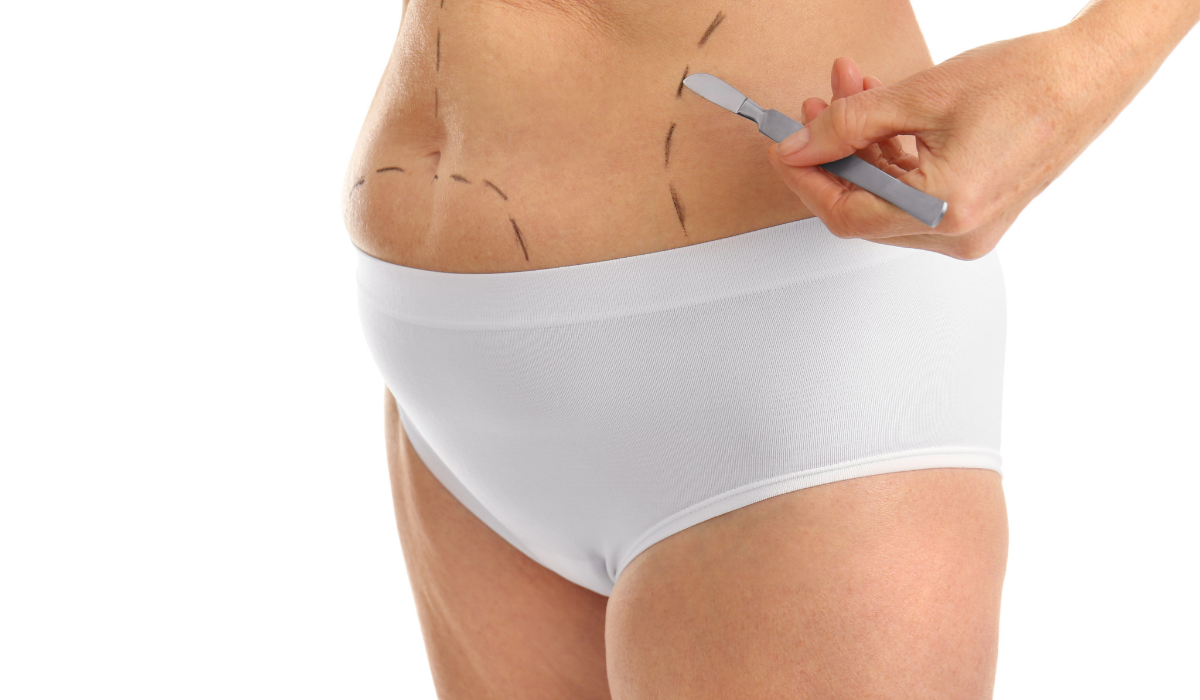
Plastic surgery can be life-changing, boosting our confidence, correcting medical issues, or restoring what we thought was lost. But after the initial recovery, many of us face a common question: what’s the best way to manage scars and achieve the smoothest, most discreet results possible? While scarring can be an unavoidable part of healing, proactive care and a little knowledge can make a world of difference. In this text, we’ll break down the science behind scarring, unveil the influences that shape it, and reveal the most effective approaches to scar management after plastic surgery.
Key Takeaways
- Scar management after plastic surgery is most effective when you follow a daily routine of cleansing, moisturizing, and sun protection.
- Factors such as genetics, skin type, surgical technique, and diligent post-surgical care all influence scar formation.
- Using silicone sheets or gels is a clinically proven method for reducing the thickness and redness of surgical scars.
- A nutritious diet, proper hydration, and avoiding stress on the healing incision aid in optimal scar healing.
- Consult a healthcare provider for advanced scar management options like laser therapy, microneedling, or steroid injections if scars remain noticeable.
- Early, proactive scar management can significantly improve long-term cosmetic outcomes after plastic surgery.
Understanding Scarring After Plastic Surgery
Scarring is a natural part of the body’s healing response. Any time we undergo surgery that involves an incision, our skin and underlying tissues respond by closing the wound with a new formation of collagen fibers. Initially, scars may look raised, red, or even shiny, but over time, most fade and flatten. Even though the advancements in surgical techniques that aim to minimize visible scarring, some degree of mark is inevitable.
Scars from plastic surgery differ depending on the type and depth of the procedure, skin type, and even our body’s unique healing process. While some scars mature into thin, pale lines, others may thicken or darken, resulting in hypertrophic or keloid scars, especially in individuals who are prone to these responses. Recognizing that scarring isn’t a sign of surgical failure but an expected part of healing helps us treat the process with the patience it deserves.

Factors That Influence Scar Formation
Scar formation doesn’t hinge on a single factor, it’s a delicate interplay of genetics, wound care, lifestyle choices, and the nature of the surgery itself. Understanding these influences empowers us to personalize our scar management approach.
Genetic Factors
Some of us are simply more prone to prominent scars due to our genetic makeup. Individuals with a family history of keloids or hypertrophic scars undoubtedly face a higher likelihood of developing similar scarring.
Skin Type and Color
Darker skin tones and those with more melanin are sometimes more susceptible to hyperpigmentation and keloid scars. Thin, fragile, or very fair skin may also scar differently, often with more noticeable lines.
Surgical Technique
The skill of the surgeon and the techniques employed make an extraordinary difference. Precise incision placement, gentle handling of tissue, and the choice of suturing methods all influence the ultimate appearance of scars.
Post-Surgical Care
How we care for our wound after surgery is crucial for optimal scar management. Factors such as tension on the incision, infection, and sun exposure can hinder healing or worsen scar appearance.
Lifestyle and Health Status
Our overall health impacts recovery speed. Smoking, nutritional deficiencies, and certain medical conditions such as diabetes impede wound healing, making scars more pronounced.
Best Practices for Scar Care
Managing scars after plastic surgery starts with diligent, daily care. There’s no magic solution, but combining multiple strategies gives our skin the best opportunity to heal beautifully.
Keep Incisions Clean and Moisturized
Gently wash the area with mild soap and water, drying with a soft towel. Applying an approved ointment or moisturizer helps keep the skin supple and supports healing. Avoid harsh products or excessive scrubbing.
Protect From Sun Exposure
Ultraviolet rays can darken scars and make them more noticeable. We should use a broad-spectrum sunscreen (SPF 30 or higher) daily on healing incisions, no matter the weather, and cover scars with clothing or bandages when possible for at least a year after surgery.
Support Healing With Nutrition
A balanced diet, rich in vitamins (especially A and C), minerals, and protein helps our body repair tissue efficiently. Staying hydrated also aids cellular regeneration.
Avoid Stress on the Healing Area
Excess tension or movement across incisions, like stretching, heavy lifting, or vigorous exercise, can widen scars. Follow all post-operative instructions and avoid activities that may strain healing tissue.
Don’t Pick or Scratch
It’s tempting when scar tissue itches, but picking or scratching can delay healing and increase risk for infection or poor cosmetic outcomes.
Topical Treatments and Products for Scars
Once the wound has closed and our doctor gives the all-clear, we can incorporate topical products into our scar care regimen. Not all products are created equal: evidence-based choices make a real difference.
Silicone Sheets and Gels
Regarded as a gold standard, silicone helps hydrate scar tissue and has been shown in clinical studies to decrease thickness and redness. Sheets or gels are easy to apply, non-invasive, and widely recommended by plastic surgeons.
Scar Creams With Active Ingredients
Some over-the-counter scar creams contain ingredients such as onion extract or centella asiatica. While anecdotal support exists, results can vary. More reliably, creams containing vitamin E, though popular, have mixed clinical evidence. Always test a small area first, as some products may cause irritation.
Steroid Creams
For raised or itchy scars, a healthcare provider may suggest topical steroid creams to reduce inflammation and flatten the tissue.
Pressure Dressings
In certain cases, pressure garments or dressings may be recommended after extensive body surgeries to help remodel scar tissue and prevent hypertrophic scar formation.

Advanced Procedures to Improve Scar Appearance
If a scar remains prominent even though diligent home care, we have a range of advanced options at our disposal. Consultation with a board-certified plastic surgeon or dermatologist opens the door to these specialized treatments.
Laser Therapy
Laser treatments can reduce redness, improve texture, and flatten thick scars. Pulsed dye lasers (PDL) or fractional lasers target scar tissue while minimizing damage to surrounding skin.
Microneedling
This minimally invasive procedure uses tiny needles to stimulate collagen production, helping scars appear smoother and more natural over several sessions.
Steroid Injections
For thick, raised scars, in-office steroid injections can significantly reduce thickness and ease discomfort.
Surgical Revision
In cases where scars are wide, sunken, or unsightly, surgical scar revision may be considered. Here, the scar is carefully excised and the tissue reapproximated, often yielding a finer, less noticeable line.
Other Modalities
Emerging options like fractional radiofrequency, cryotherapy for keloids, and dermal fillers offer even more tailored solutions. The best choice depends on the type, age, and maturity of the scar, so individualized care is key.
When to Consult a Healthcare Provider
While many scars improve with at-home care, there are times when professional help is essential. If a scar is growing rapidly, turns red or painful, oozes, or shows other signs of infection, we shouldn’t hesitate to reach out. Similarly, scars that affect range of motion, become keloids, or cause cosmetic concern deserve expert input.
In some cases, early intervention can prevent a small issue from becoming a significant problem. A consultation lets us explore specialized options, whether that’s a new topical regimen, laser treatment, or minor surgical correction. Plastic surgeons and dermatologists have the expertise to tailor solutions based on our needs, history, and desired outcomes.
Conclusion
Managing scars after plastic surgery is both an art and a science, blending patience, practical steps, and at times, professional intervention. While scars are a natural part of the healing journey, we have more resources and knowledge than ever to minimize their appearance and help our confidence flourish. By understanding what influences scar formation and taking a proactive, informed approach, we set ourselves up for beautiful, lasting results we can truly feel good about.
Scar Management After Plastic Surgery: Frequently Asked Questions
What is the best way to manage scars after plastic surgery?
The best way to manage scars after plastic surgery is to keep incisions clean and moisturized, protect them from sun exposure with SPF 30 or higher, avoid stressing the area, and follow your surgeon’s post-operative instructions. Consistent, gentle care promotes optimal healing.
How does skin type affect scar formation after plastic surgery?
Skin type significantly impacts scarring. Individuals with darker skin tones may be more prone to hyperpigmentation and keloid scars, while those with fair or thin skin may experience more visible lines. Genetics also play a major role in how scars develop.
Which topical treatments are recommended for scar management after surgery?
Silicone sheets and gels are widely recommended for scar management after surgery due to their proven ability to reduce thickness and redness. Some over-the-counter creams and steroid ointments may help, but always consult your healthcare provider before use.
When should I consult a doctor about my plastic surgery scar?
You should consult a doctor if your scar is growing rapidly, becomes red or painful, leaks fluid, shows signs of infection, impacts movement, or raises cosmetic concerns. Early intervention can lead to better outcomes and prevent complications.
Can diet and lifestyle choices improve scar healing after plastic surgery?
Yes, a healthy lifestyle and balanced diet rich in vitamins A and C, protein, and minerals aid tissue repair. Avoiding smoking and managing medical conditions like diabetes can also promote faster, better scar healing after plastic surgery.
Are advanced treatments like laser therapy effective for stubborn scars?
Advanced treatments such as laser therapy, microneedling, and steroid injections can significantly improve the appearance of stubborn or raised scars. These options are best discussed with a board-certified plastic surgeon or dermatologist who can recommend a personalized approach.