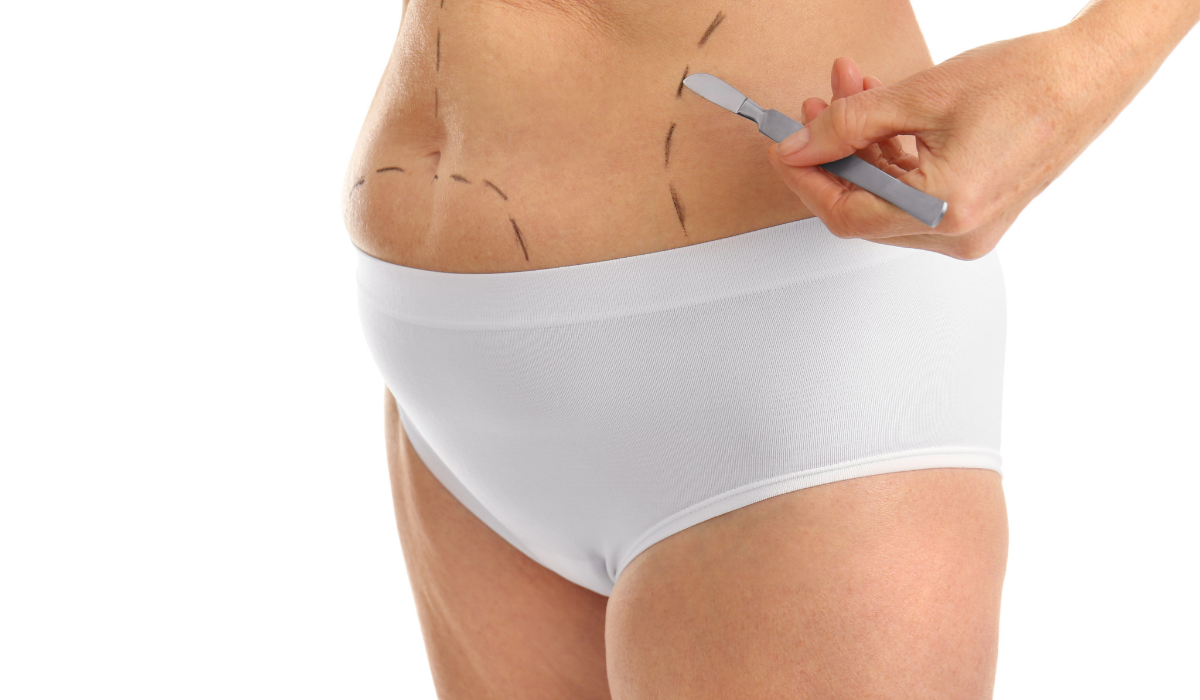
TRAM Flap Reconstruction is a popular option in breast reconstruction for women following mastectomy, as it allows for a natural look and feel by using the patient’s own tissue. This procedure involves relocating abdominal tissue, which includes fat, skin, and sometimes muscle, to create a new breast mound. This guide explains the intricacies of the TRAM (Transverse Rectus Abdominis Myocutaneous) flap, covering its benefits, procedure details, recovery expectations, and potential risks.
What is TRAM Flap Reconstruction?
TRAM flap breast reconstruction uses tissue from the lower abdomen to reconstruct the breast. It’s termed a “flap” reconstruction because a “flap” of tissue is transferred from one part of the body to another while maintaining blood flow.

Why Choose TRAM Flap Reconstruction?
The TRAM Flap method is often chosen for its natural feel, as it uses the patient’s own tissue. Additionally, the procedure involves the removal of excess abdominal tissue, which can result in a flatter stomach similar to a tummy tuck, adding an aesthetic benefit to the patient’s abdomen as well.
Types of TRAM Flap Procedures
There are several variations of the TRAM Flap procedure, each chosen based on the patient’s unique needs and health profile.
1. Pedicled TRAM Flap
· Overview: In this method, tissue remains attached to its original blood vessels and is tunneled up to the chest.
· Advantages: Shorter procedure time and lower risks related to the reconnection of blood vessels.
· Considerations: Since the muscle remains connected, this can limit abdominal strength and mobility over time.
1. Free TRAM Flap
· Overview: In the free TRAM procedure, the tissue is fully detached and then reattached to blood vessels in the chest.
· Advantages: Allows more precise positioning of the new breast.
· Considerations: More complex due to the reconnection of blood vessels, increasing the need for skilled surgical techniques and a longer recovery period.
1. Muscle-Sparing Free TRAM Flap
· Overview: Designed to use only part of the abdominal muscle, preserving more muscle function and reducing the risk of complications.
· Advantages: Minimal impact on abdominal strength and function, less invasive.
· Considerations: While still complex, this method offers a balance between preserving abdominal strength and achieving natural breast aesthetics.
The TRAM Flap Procedure: Step-by-Step
The TRAM Flap procedure can take several hours due to its complexity. Here’s what patients can typically expect:
1. Preparation and Anesthesia: General anesthesia is administered.
2. Tissue Removal: A surgeon removes the tissue from the abdomen, taking care to preserve the blood vessels.
3. Tissue Transfer: The tissue is either tunneled up or fully detached and reattached in the chest area.
4. Reconstruction: Surgeons shape the tissue to form the new breast mound, matching it as closely as possible to the opposite breast.
5. Closure: Both the abdominal and breast incisions are closed, sometimes with additional small touch-ups for symmetry.
Recovery from TRAM Flap Reconstruction
The recovery process after TRAM Flap surgery can take several weeks, with the initial healing period lasting about 4-6 weeks. Here’s what patients can generally expect:
· Hospital Stay: Patients usually stay in the hospital for 3-5 days post-surgery to monitor recovery.
· Pain Management: Discomfort is common, especially in the abdomen and chest, but pain relief medication will be provided.
· Mobility: Patients are encouraged to walk gently to promote circulation but should avoid heavy lifting and strenuous activities for 6-8 weeks.
· Physical Therapy: Rehabilitation exercises (physical therapy) are often recommended to restore abdominal strength over time.
Potential Risks and Complications
While the TRAM Flap method is considered safe, there are potential risks to consider:
· Abdominal Weakness: Due to the removal of abdominal muscle, some patients experience long-term weakness in the core area.
· Hernia Formation: Weakening of the abdominal wall can lead to a hernia in some cases.
· Blood Clots and Infections: These are rare but possible and are closely monitored by the medical team during recovery.
Working with an experienced surgeon can significantly reduce these risks, making it essential to choose a reputable medical team for the procedure.
Benefits of TRAM Flap Reconstruction
Patients considering TRAM Flap reconstruction can expect a range of benefits, including:
· Natural Look and Feel: Since this procedure uses the patient’s own tissue, the reconstructed breast feels more natural than implants.
· Durable and Long-Lasting Results: Unlike implants, the TRAM Flap method offers a permanent solution without the need for replacements.
· Improved Body Contour: The tissue removal from the abdomen provides a flatter stomach, much like a tummy tuck, enhancing the patient’s overall body shape.
Preparing for TRAM Flap Surgery
Preparation is essential for a successful TRAM Flap procedure. Here are some steps patients can take:
· Lifestyle Adjustments: Maintaining a healthy weight and avoiding smoking are essential to enhance healing.
· Pre-Surgery Tests: Blood work and imaging may be required to ensure overall health and rule out any complications.
· Recovery Planning: Arranging for help at home during the recovery phase can make the transition smoother and more comfortable.
Choosing a Surgeon for TRAM Flap Reconstruction
Selecting a qualified surgeon for TRAM Flap reconstruction is crucial for optimal results. Look for board-certified plastic surgeons who specialize in breast reconstruction and have extensive experience with TRAM Flap procedures. Dr. Donald A. Graham is one of the most honored and experienced TRAM Flap Reconstruction surgeons.
What to Expect Long-Term
Patients who undergo TRAM Flap reconstruction generally experience lasting results and high satisfaction with the aesthetics and feel of their new breast. While the abdominal area may feel weaker initially, physical therapy can help restore strength and mobility over time. Most patients report that TRAM Flap reconstruction significantly enhances their quality of life, restoring both physical appearance and emotional well-being after mastectomy.
Conclusion – TRAM Flap Reconstruction
TRAM Flap reconstruction provides a reliable, long-term solution for women seeking natural breast reconstruction after mastectomy. Although the procedure requires a more extended recovery period and can impact abdominal strength, the benefits often outweigh these factors for many patients. Working with a skilled surgeon and following a thorough preparation and recovery plan can lead to a satisfying outcome, empowering patients to reclaim confidence and comfort in their bodies.
For those considering TRAM Flap reconstruction, consult a reputable plastic surgeon to discuss specific needs, risks, and expectations like, Dr. Donald A. Graham. Remember, each journey to breast reconstruction is unique, and understanding all options will ensure the best decision tailored to your personal goals