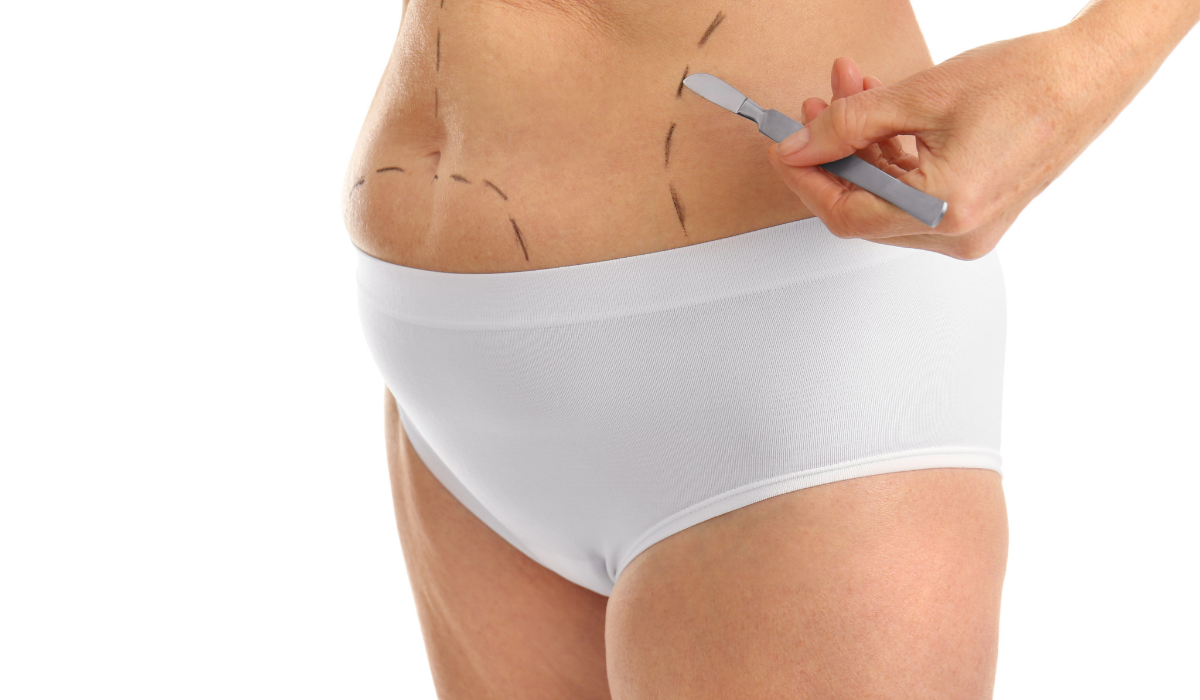
Breast augmentation is more than just a cosmetic procedure—it’s a deeply personal choice that empowers many of us to feel more confident in our own skin. Whether it’s about enhancing natural curves, restoring volume after life changes, or achieving a desired aesthetic, this surgery has become one of the most sought-after options in the world of cosmetic enhancements.
Key Takeaways
- Breast augmentation is a personalized surgical procedure to enhance breast size, shape, or symmetry using implants or fat transfer.
- Three primary augmentation options include saline implants, silicone implants, and fat transfer, each offering unique benefits and customization.
- The procedure provides multiple benefits, such as improved self-confidence, restored volume, enhanced symmetry, and tailored aesthetic results.
- Potential risks and recovery considerations include capsular contracture, implant rupture, and post-operative care guidelines to ensure smooth healing.
- Choosing an experienced surgeon with expertise ensures safety, optimal results, and personalized care tailored to individual goals.
As we explore the journey of breast augmentation, it’s essential to understand not just the procedure itself but also the factors that influence decisions, from implant types to recovery. With advancements in techniques and technology, the possibilities are more refined and tailored than ever, making it easier for us to achieve results that feel true to who we are.
What Is Breast Augmentation?
Breast augmentation is a surgical procedure designed to enhance the size, shape, or symmetry of the breasts. By using implants or fat transfer, this procedure reshapes the breast profile to align with an individual’s desired aesthetic goals. Its purpose extends beyond visual enhancement, as it can also restore volume lost due to factors like aging, pregnancy, or weight fluctuations.
This procedure typically involves the placement of implants—silicone or saline—or the use of fat harvested from the patient’s body, which is known as autologous fat transfer. Silicone implants contain a gel that mimics the feel of natural breast tissue, while saline implants are filled with sterile saltwater. Depending on anatomical structure and preferences, surgeons tailor the approach and materials to provide results that look and feel natural.
Personalization is key in breast augmentation. Variables like implant type, size, incision location, and placement determine the overall outcome. Surgeons often consider the patient’s body proportions, lifestyle, and long-term goals during consultations to ensure satisfaction with the procedure.

Types Of Breast Augmentation Procedures
Breast augmentation procedures are tailored to meet individual goals, preferences, and anatomical considerations. The three primary techniques include saline implants, silicone implants, and fat transfer augmentation.
Saline Implants
Saline implants contain a sterile saltwater solution housed within a silicone shell. These implants allow for adjustment of volume during surgery to achieve precise symmetry and proportion. They are typically inserted as empty shells and filled once in place, which minimizes incision size. In case of leakage, the body absorbs the saltwater harmlessly.
These implants are generally firm in feel and offer noticeable volume enhancement.
Silicone Implants
Silicone implants are pre-filled with a cohesive silicone gel that closely mimics the feel of natural breast tissue. Compared to saline implants, they provide a softer, more natural appearance. Various shapes and profiles are available, enabling highly customized results.
These implants require slightly larger incisions due to their pre-filled design. Regular imaging, such as MRIs or ultrasounds, is often recommended to monitor implant integrity.
Fat Transfer Augmentation
Fat transfer augmentation utilizes the patient’s own fat to enhance breast size. This procedure involves liposuction to harvest fat from areas like the abdomen or thighs, followed by purification and reinjection into the breasts. It achieves subtle, natural-looking enhancements without the use of implants.
Fat transfer is a suitable option for those seeking minimal size increases along with body contouring benefits. However, the amount of fat that survives the transfer process can vary, affecting final volume. This method is ideal for patients desiring enhanced symmetry without implants.
Benefits Of Breast Augmentation
Breast augmentation offers several physical and emotional benefits for individuals seeking enhanced breast aesthetics or restoration. By customizing the procedure, patients achieve outcomes that align with their personal goals and body proportions.
- Enhanced Self-Confidence
Achieving desired breast size or symmetry often boosts self-esteem. Many individuals feel more comfortable in their clothing or social interactions after attaining their aesthetic goals. - Restored Volume and Shape
This procedure restores volume lost due to aging, pregnancy, or significant weight changes. Restoring fullness improves contour and complements overall body proportions. - Improved Symmetry
Augmentation addresses noticeable asymmetry between breasts by custom-fitting implants or adjusting fat transfer volumes for a balanced appearance. - Tailored Aesthetic Goals
Patients benefit from the ability to choose implant type, size, and technique for results tailored to their preferences and lifestyles. - Durable Results
Advanced implant materials or fat grafting techniques provide long-lasting outcomes, reducing the frequency of additional procedures. - Posture and Proportion Balance
An enhanced bustline creates harmony with other body features. Improved lunging or standing posture is often observed when proportions align comfortably.
These benefits highlight the multifaceted advantages of breast augmentation that go beyond aesthetics, ensuring a positive impact on physical appearance and personal confidence.
Risks And Considerations
Understanding the risks and the recovery process is essential when considering breast augmentation. While the procedure is generally safe, being informed about potential complications and post-operative care helps ensure realistic expectations and better outcomes.
Potential Complications
Breast augmentation, like any surgical procedure, carries some risks. Common complications include capsular contracture, where scar tissue around the implant tightens, causing discomfort or changes in appearance. Implant rupture or leakage may occur over time, with saline implants deflating visibly and silicone implants potentially requiring imaging to detect. Infection, though rare, can develop around the implant site, necessitating prompt medical intervention. Changes in nipple or breast sensation can happen, often temporary but occasionally lasting. Asymmetry or aesthetic dissatisfaction may result from complications or unrealistic expectations. Long-term risks may involve implant displacement or the need for future revision surgeries.
Recovery Process
Recovery after breast augmentation varies but typically spans several weeks. Initial swelling and discomfort are expected; we recommend wearing a supportive surgical bra and following prescribed medications to ease symptoms. Patients often resume light activities within a few days, avoiding heavy lifting or strenuous exercise for around 4–6 weeks. Surgeons usually schedule follow-ups to monitor healing and ensure no complications arise. Proper incision care and adherence to post-operative guidelines enhance healing and reduce risks. Long-term, periodic monitoring, especially for silicone implants, ensures implant integrity and sustained results.
Choosing The Right Surgeon
Selecting a qualified surgeon ensures safety and optimal results in breast augmentation. Experience in breast-specific surgeries is essential for achieving personalized results. Surgeons with extensive experience can better tailor techniques to each patient’s unique anatomy and aesthetic goals. Requesting before-and-after photos of previous procedures offers insight into the surgeon’s skill and consistency.
Open communication during consultations builds trust and fosters an understanding of expectations. A good surgeon listens to the patient’s concerns, provides clear explanations regarding options such as implant types and placement, and discusses potential risks. Detailed discussions about the recovery process and long-term care demonstrate the surgeon’s commitment to comprehensive care.
Surgical facilities meeting accreditation standards provide an additional layer of safety. Accredited centers meet strict safety protocols, ensuring proper equipment, sterilization practices, and emergency preparedness. These standards minimize risks and improve the overall surgical experience.
Verifying patient reviews and testimonials provides valuable context on the surgeon’s reputation. Positive reviews often reflect patient satisfaction, emphasizing professionalism, care quality, and surgical outcomes. We recommend cross-referencing reviews on multiple platforms to gain a balanced perspective.
Conclusion
Breast augmentation is a deeply personal decision that combines artistry, science, and individual goals. With the right surgeon and a thorough understanding of the options available, patients can achieve results that enhance both their appearance and confidence. Advances in techniques and materials have made the procedure safer and more customizable than ever, ensuring outcomes that align with each person’s unique vision. By prioritizing research, open communication, and realistic expectations, we can navigate this transformative journey with clarity and confidence.
Frequently Asked Questions
What is breast augmentation?
Breast augmentation is a surgical procedure designed to enhance the size, shape, or symmetry of the breasts. This can be achieved using implants (silicone or saline) or through fat transfer, where the patient’s own fat is used to create a subtle enhancement.
What are the main benefits of breast augmentation?
The procedure can boost self-confidence, restore lost volume, improve breast symmetry, and enhance overall body proportions. Many patients report increased comfort in clothing and greater self-esteem after achieving their desired aesthetic goals.
What are the different types of breast implants?
There are two main types of implants: saline and silicone. Saline implants are filled with sterile saltwater, while silicone implants contain a cohesive gel for a softer, more natural feel. Both have unique advantages based on patient needs.
What is fat transfer breast augmentation?
Fat transfer involves using the patient’s own fat, harvested through liposuction, to augment the breasts. This is ideal for minimal size increases and offers body contouring benefits without implants.
What is the typical recovery time for breast augmentation?
Recovery usually takes several weeks. Patients may experience swelling, discomfort, and restricted movement for the first 4–6 weeks. Following post-operative care instructions, wearing supportive bras, and attending follow-ups ensure a smooth recovery process.
Are there risks involved in breast augmentation?
Yes, risks include capsular contracture, implant rupture, infection, changes in sensation, and dissatisfaction with results. Understanding these risks and having realistic expectations are essential before undergoing the procedure.
How do I choose the right surgeon for breast augmentation?
Select a surgeon with experience in breast procedures. Review before-and-after photos, verify patient reviews, and ensure the surgical facility meets safety standards. Open communication during consultations is crucial.
Are breast implants permanent?
Breast implants are not lifetime devices. They may need replacement after 10–20 years due to wear, rupture, or personal choice. Regular check-ups are essential, especially for silicone implants, to monitor their condition.