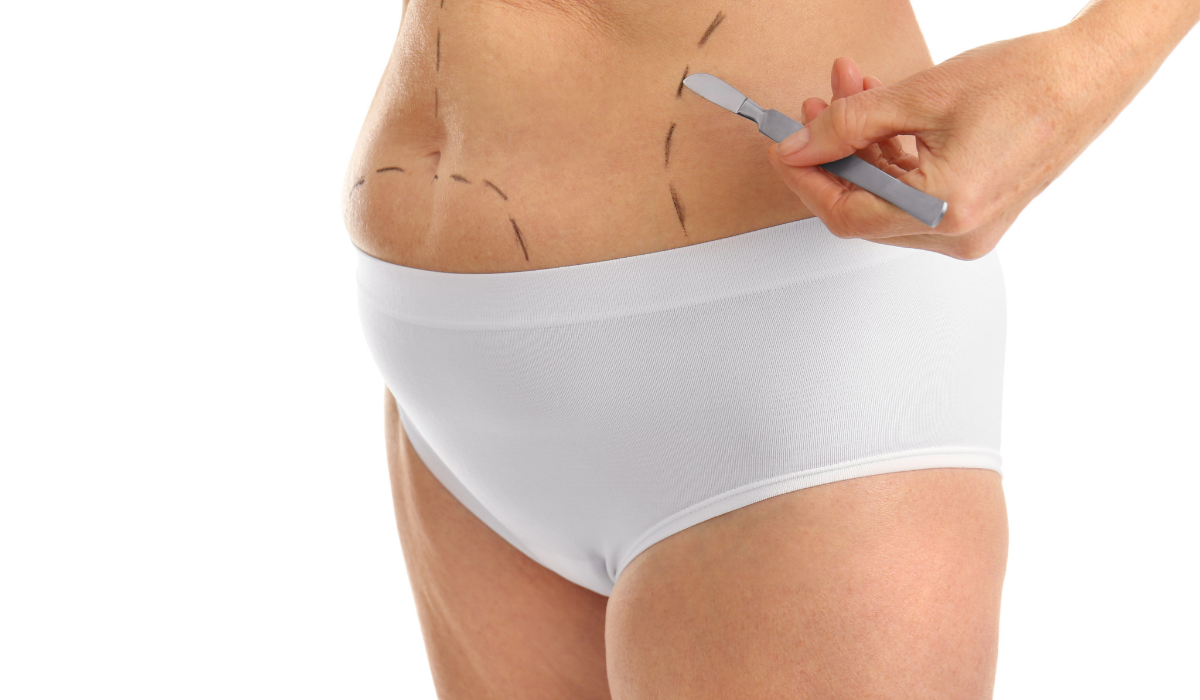
For many of us, achieving a toned, flat abdomen can be difficult even with healthy habits and regular exercise. Factors such as pregnancy, significant weight loss, or natural aging can cause the abdominal muscles to stretch and the skin to lose elasticity. When this happens, abdominoplasty—often called a tummy tuck—can restore firmness and help you feel more confident in your body again.
Let’s explore what abdominoplasty involves, who it’s best suited for, and how it can help you achieve long-lasting results with the care and precision of Dr. Don Graham in Calgary.
Key Takeaways
- Abdominoplasty removes excess skin and tightens abdominal muscles for a flatter, firmer midsection.
- Ideal candidates are healthy adults with stable weight and loose abdominal skin caused by pregnancy or major weight loss.
- The procedure differs from liposuction, which removes fat but does not tighten muscles.
- Recovery usually takes two to six weeks, depending on the procedure type and healing rate.
- Choosing a qualified surgeon like Dr. Don Graham ensures natural results and comprehensive aftercare.
What Is Abdominoplasty?
Abdominoplasty, or tummy tuck surgery, is a cosmetic procedure that tightens the abdominal wall and removes excess skin to create a smoother, more toned appearance. It is particularly effective for patients whose abdominal muscles have weakened or separated due to pregnancy or weight changes.
The surgery can also help eliminate sagging skin and stretch marks on the lower abdomen. In Calgary, patients often choose abdominoplasty to restore their shape after childbirth, weight loss, or simply to feel more confident in their everyday life.
If you are curious about the detailed surgical process and what happens during surgery, visit Dr. Graham’s Abdominoplasty (Tummy Tuck) page for a complete overview.
Common Signs You Might Be a Good Candidate
While every case is unique, you may be a good candidate for abdominoplasty if you experience one or more of the following:
- Persistent loose or hanging skin on the abdomen
- A bulging or “pooch” appearance due to stretched or separated abdominal muscles
- Stretch marks below the belly button that have not improved with other treatments
- Stable weight for several months after pregnancy or weight loss
- Overall good health and realistic expectations about results
Patients who plan to lose additional weight or become pregnant in the future are often advised to postpone surgery until after those milestones for the most lasting outcome.

Mini vs. Full Abdominoplasty: What Is the Difference?
Dr. Graham tailors each procedure to match a patient’s individual anatomy and goals. The two most common options are:
Mini Abdominoplasty
This technique focuses on the area below the belly button, tightening mild skin laxity and minor muscle separation. It’s ideal for patients with minimal loose skin and excellent overall tone.
Full Abdominoplasty
A full tummy tuck addresses the entire abdominal wall, repairing muscles from the ribcage to the pubic area and removing excess skin both above and below the navel. It’s best for patients with more significant changes following pregnancy or major weight loss.
Learn more about these techniques in Mini vs. Full Tummy Tuck: Which One Is Right for You?
How Abdominoplasty Differs From Liposuction
Although abdominoplasty and liposuction can both refine the midsection, they serve very different purposes.
- Liposuction removes localized fat deposits but does not tighten loose skin or repair muscle separation.
- Abdominoplasty tightens the abdominal muscles, removes excess skin, and creates a smoother, firmer contour.
In many cases, these procedures can be combined to achieve the most balanced and natural result. You can learn more in Liposuction vs. Tummy Tuck: Which Is Right for You?
What to Expect During Recovery
After abdominoplasty, most patients return home the same day or after one night in the clinic. You can expect:
- First few days: Swelling and tightness in the abdomen. Pain medication and compression garments will help manage discomfort.
- Two to four weeks: Gradual return to light activities and desk work.
- Four to six weeks: Most swelling subsides, and the abdomen feels stronger and flatter.
- Three months and beyond: Final results continue to refine as scars fade and tissues fully heal.
Dr. Graham provides personalized aftercare instructions to ensure a smooth recovery and the best possible results.
For a detailed breakdown of recovery stages, visit Tummy Tuck Recovery: A Comprehensive Guide
Long-Term Results and Benefits
The results of abdominoplasty are typically long-lasting, especially when paired with a stable weight and healthy lifestyle. Benefits often include:
- A flatter, more sculpted abdomen
- Improved posture from stronger core muscles
- Reduction in excess skin and lower-abdominal stretch marks
- Enhanced comfort in clothing and improved self-confidence
To explore the advantages in more detail, read Benefits of Abdominoplasty and 7 Ways Abdominoplasty Can Boost Your Confidence
Why Calgary Patients Choose Dr. Don Graham
Dr. Graham is a board-certified plastic and reconstructive surgeon with decades of experience in aesthetic and functional procedures. His approach is rooted in precision, safety, and a deep understanding of individual anatomy. Each procedure is fully customized to deliver balanced, natural-looking results.
Patients trust Dr. Graham for his commitment to transparency and patient education—from the first consultation to long-term follow-up care.
Book Your Consultation
If you’re considering abdominoplasty in Calgary, a consultation with Dr. Graham is the best way to determine if this procedure is right for you. During your appointment, Dr. Graham will assess your anatomy, discuss your goals, and create a surgical plan designed specifically for your needs.
Schedule your consultation today to start your journey toward renewed confidence and a firmer, flatter abdomen.
Frequently Asked Questions
What is abdominoplasty?
Abdominoplasty, commonly known as a tummy tuck, is a surgical procedure designed to flatten and firm the abdomen by removing excess skin and tightening underlying muscles. It is especially beneficial for individuals who have experienced major body changes such as pregnancy or significant weight loss, which often stretch abdominal tissues beyond their ability to return to normal. During the procedure, the surgeon removes extra skin, repairs separated abdominal muscles, and repositions the remaining tissue to create a smoother contour. The result is a stronger core and a more defined midsection. Unlike dieting or exercise—which can reduce fat but not tighten skin or muscles—abdominoplasty offers a permanent structural improvement that reshapes the abdominal wall.
How long does recovery take?
Recovery time varies depending on the procedure type and each patient’s healing process, but most individuals can expect noticeable improvements within a few weeks. The first week is often the most challenging, with swelling, tightness, and mild discomfort being common. Most patients return to desk work or light activities after about two to three weeks, though strenuous exercise and heavy lifting should be avoided for at least six weeks. Swelling and minor tightness can persist for several months as tissues heal and settle into their new shape. Compression garments are worn for several weeks to support healing and minimize swelling. Full recovery typically takes three to six months, with scars continuing to fade over time. Dr. Graham provides detailed postoperative instructions and personalized follow-up care to ensure optimal results throughout recovery.
Is abdominoplasty the same as a tummy tuck?
Yes, the terms “abdominoplasty” and “tummy tuck” refer to the same procedure. “Abdominoplasty” is the formal medical term used by surgeons, while “tummy tuck” is the commonly recognized name. Both describe a surgical approach to remove excess skin and tighten abdominal muscles for a smoother, flatter appearance. The difference lies only in terminology, not technique. Patients often use “tummy tuck” when discussing aesthetic goals, while medical professionals refer to “abdominoplasty” when describing the procedure in consultations or documentation. Regardless of which term is used, the goal is identical: to restore tone, shape, and confidence in the abdominal area through a combination of muscle repair and skin tightening.
Can abdominoplasty remove stretch marks?
Abdominoplasty can remove some stretch marks, especially those located on the lower abdomen below the belly button. Because the procedure removes excess skin in this area, stretch marks within that section are often eliminated along with it. However, marks above the navel or on areas not excised during surgery will remain, though they may appear less visible as the skin is tightened. Patients who wish to reduce remaining stretch marks can consider complementary treatments such as laser therapy or microneedling after healing. During your consultation, Dr. Graham will assess your specific skin condition and explain how much improvement you can realistically expect. While abdominoplasty is not a dedicated stretch mark removal treatment, it frequently provides a smoother and firmer skin surface that greatly minimizes their overall appearance.
Will there be visible scars after abdominoplasty?
Yes, abdominoplasty involves a horizontal incision across the lower abdomen, resulting in a permanent scar. However, Dr. Graham takes care to position the incision low enough that it is typically hidden beneath underwear or swimwear. Over time, scars naturally fade and flatten, often becoming less noticeable within one year. Following post-surgery scar care instructions—such as using silicone gels, avoiding sun exposure, and maintaining proper hydration—can significantly improve scar healing. In some cases, patients may undergo minor scar revision treatments later to further refine their results. While scarring is inevitable with any surgery, the benefits of a firmer, smoother abdomen often far outweigh the presence of a discreet, easily concealed line.
Can I combine abdominoplasty with other procedures?
Yes, abdominoplasty is often combined with other cosmetic procedures to achieve comprehensive body contouring results. Many patients choose to pair it with liposuction to remove stubborn fat deposits in surrounding areas, such as the hips or flanks, enhancing the overall silhouette. Others include breast procedures, such as augmentation or lift, as part of a “mommy makeover” to address post-pregnancy changes in multiple areas at once. Combining surgeries can also reduce total recovery time since both procedures heal simultaneously. During your consultation, Dr. Graham will evaluate your health, anatomy, and goals to determine whether a combined approach is safe and beneficial. The key is ensuring each procedure complements the other to achieve balanced, natural-looking results without compromising safety or comfort.
How long do abdominoplasty results last?
The results of abdominoplasty are long-lasting, especially for patients who maintain a stable weight and healthy lifestyle. Once excess skin is removed and muscles are repaired, the abdomen remains firmer and flatter for many years. Natural aging will continue to cause minor skin changes, but the tightened muscle structure and overall contour remain significantly improved compared to pre-surgery. Significant weight fluctuations or future pregnancies can affect results, so it is generally best to undergo surgery once you have reached a stable weight and are finished having children. Regular exercise, balanced nutrition, and proper hydration help preserve the surgical outcome for the long term. Many patients continue to enjoy the benefits of abdominoplasty for a decade or more.
Is abdominoplasty safe?
When performed by a board-certified plastic surgeon such as Dr. Don Graham, abdominoplasty is considered a safe and effective procedure. Like all surgeries, it carries certain risks—including infection, bleeding, and temporary numbness—but these complications are rare when proper techniques and aftercare are followed. Dr. Graham’s extensive experience, sterile surgical environment, and individualized preoperative assessments significantly minimize potential risks. Patients are thoroughly evaluated before surgery to ensure they are suitable candidates based on health history, medications, and lifestyle habits. Postoperative follow-up visits help detect and address any early healing issues. By carefully adhering to medical instructions and maintaining open communication with Dr. Graham’s team, most patients experience smooth recoveries and highly satisfactory results.
When can I return to work or normal activities after surgery?
Most patients are able to return to light work within two to three weeks following surgery, depending on the type of abdominoplasty and the demands of their job. Those with physically active roles or who engage in strenuous exercise should plan for a longer recovery period—typically four to six weeks—before resuming such activities. Swelling, tightness, and mild discomfort may persist during this time but will gradually diminish as healing progresses. Dr. Graham provides personalized guidance for when to safely reintroduce various activities, including driving, working out, and lifting heavy objects. Returning too early can strain the abdominal repair, so it is crucial to follow medical advice closely. Patients who take adequate time to heal often enjoy smoother recoveries and more durable, natural-looking results.